
The Cotton Museum at the Memphis Cotton Exchange
Exploration Hall
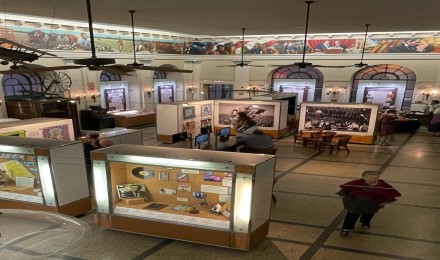
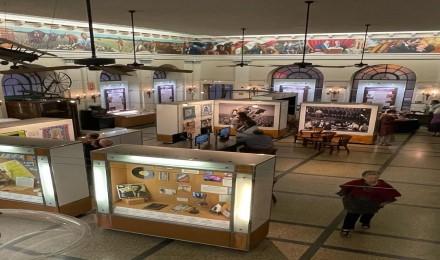
Experience the interactive areas of the Exploration Hall as you uncover the more modern components that made up the cotton industry. The Monsanto Resource Center provides visitors with a fully immersive experience rigged with audiovisual equipment. The goal of the Exploration Hall is to leave visitors with a better overall understanding of how the mechanization of the cotton industry developed over time.
Memphis Crossroads Exhibit
With great vision and forethought, James Winchester, Andrew Jackson and John Overton founded the city of Memphis in 1819 with the establishment of the port on the Fourth Chickasaw Bluff. Named after the hub of the Nile River the founders had high spirits of their newly established port city. What they didn't know was that they were laying the foundation for what would later become one of the most vital links in global networks. This exhibit highlights the explosion of the cotton trade in 1890. With rapid growth of the cotton trade came the birth of new technologies and equipment. Born out of necessity, Memphis was now at the crossroads of wealth and power. Learn how this small city on the delta grew into a global center for commerce and trade.
Oral History Project
The Oral History Project of The Cotton Museum at the Memphis Cotton Exchange works to create and preserve a more complete record of the cotton industry through voices of those involved. Such documentations are a crucial part of the museum experience, recording the past of the cotton trade via personalized narrations. Securing these files as an everlasting component was an essential step to take. The museum now forever protects the heritage of the cotton industry.
Blues Music
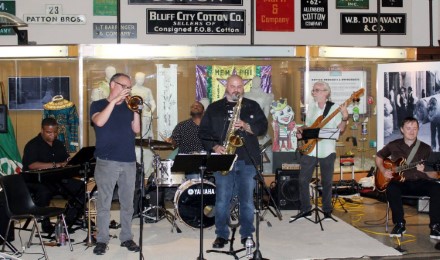
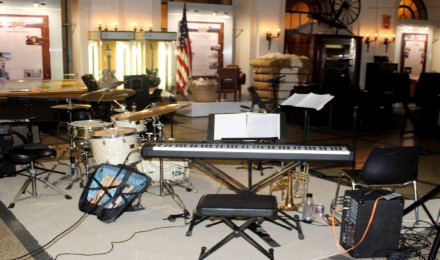
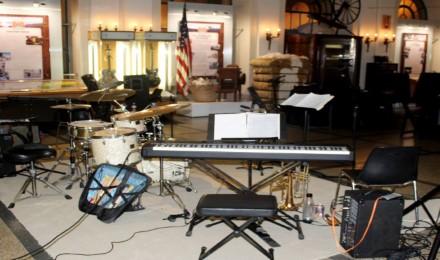
The Cotton Museum is also home to one of the greatest treasures to the city of Memphis, the blues. The museum explains the history of this soulful genre of music born on the Delta River. African Americans who traveled to Memphis from the delta brought with them the traditions and songs of their ancestors. So many of the visitors in the museum are unaware that blues music derived from the desperation and desire of those people looking for a better life during a time full of utter poverty and despair.
Travel Tips
Be sure to bring your camera as there are many photo opportunities. The Cotton Museum is fully handicap accessible. There is no restaurant or cafe in the museum so you may want to plan on bringing a lunch or snack.
The Cotton Museum at the Memphis Cotton Exchange, Memphis, Tennessee
Discover the booming history of the cotton industry and its effect on surrounding music, art, literature and film in downtown Memphis at the Cotton Museum at the Memphis Cotton Exchange as part of your group motorcoach tour. Uncover the Delta's past and its influential urban culture as you explore the museums exhibits and artifacts. These collections better help to serve visitors with an understanding of just how much the cotton industry totally transformed the city and its place in history.
History of the Cotton Museum
Rooted in the cotton trade, Memphis was established in 1812 on the Chickasaw Bluff of the Mississippi River as a hub for shipping slaves to work the cotton fields. The African slaves' hard labor was the base of the southern economy. Memphis attracted more and more people in search of work as the city grew into the global focus of the cotton industry. All walks of life flocked across the south to the city of Memphis among them atrists, muscians, poets and storytellers. These people helped to develop the culture of what we now know to be the community of Memphis by sharing their talents with a diverse and exponentially growing audience. The museum opened its doors in 2006 with the mission to uphold the history of the cotton industry and share the story of the epic impact it had on not only the city of Memphis but the world.