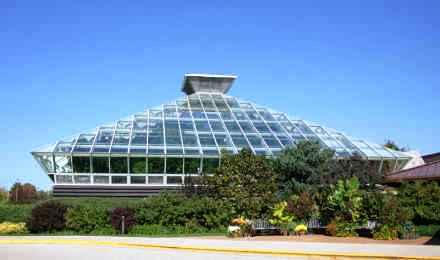
Olbrich Botanical Garden
Visiting the Olbrich Botanical Garden
During your visit to this Madison, Wisconsin attraction explore 16 acres of outdoor display gardens and an indoor, tropical conservatory that offers visitors of all ages inspiration and beauty throughout the year. In the Growing Gifts Shop unique garden-themed items are available to purchase.
Outdoor Gardens
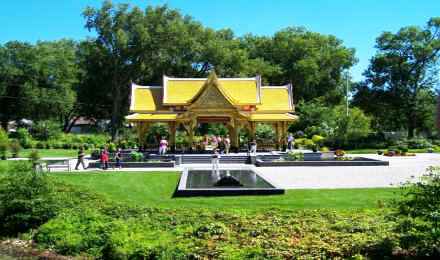
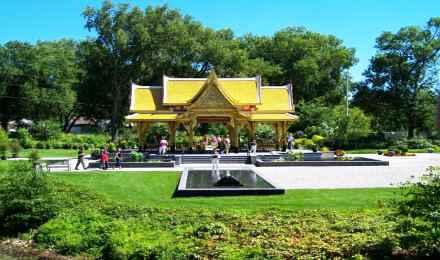
Thai Pavilion and Garden
Explore the Botanical Garden’s Thai Pavilion and Garden. Gifted to the University of Wisconsin-Madison from the Thai Government and the Thai Chapter of the Wisconsin Alumni Association, the pavilion was built in Thailand, then shipped to Wisconsin to set amid the Thai Garden, a lush tropical garden with Wisconsin-hardy plants featuring ornamental grasses, bamboo and large-leafed shrubs and trees pruned to reflect a typical Thai garden.
Herb Garden
Olbrich’s Herb Garden was designed to satisfy your senses and illustrate the historic and contemporary importance of herbs. As you make your way through the Herb Garden, trees and shrubs that line the garden capture the herbal fragrances given off by the variety of herbal plants. Specialty herb gardens include the courtyard, tea, knot, thyme and sage, medicinal, dye, kitchen, mint and touch and smell gardens.
Rock Garden
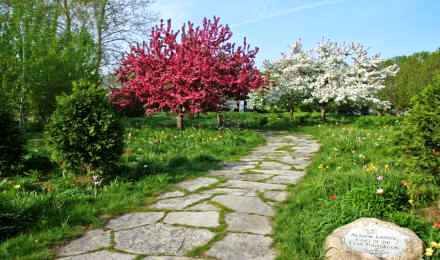
The Rock Garden imitates a dry, rocky mountain slope. Discover tough alpine plants and dwarf conifers that thrive under the dry and windy conditions of alpine environments. Winding through the Rock Garden are two streams that converge to create a cool, soothing waterfall.
Rose Garden
Olbrich’s Rose Garden is a two-acre garden showcasing all types of roses beautifully blended with perennials, ornamental grasses, shrubs, trees and annuals in a prairie style design with a 30-foot tower and fountains built of native stone.
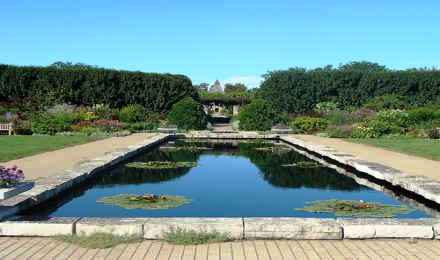
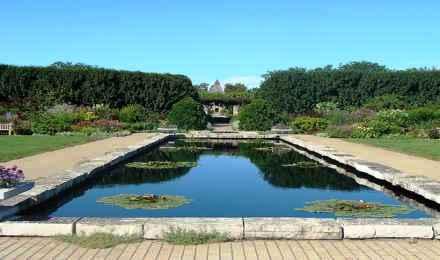
Sunken Garden
The Sunken Garden, Olbrich’s oldest garden, was originally a rose mall and later transformed into the formal, traditional, English-style garden that it is today. The garden is enclosed by a shrub hedge and regional limestone terraces. The focal point of the garden is an 80-foot long reflecting pool that provides a visual connection with Lake Monona. Its borders, planted with bulbs, annuals, perennials and shrubs, bloom from spring through autumn.
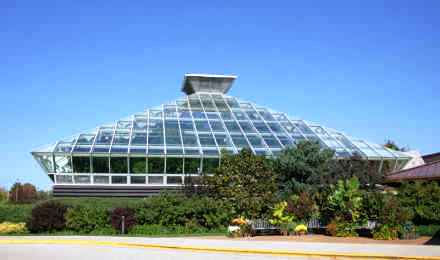
Bolz Conservatory
Escape to Olbrich’s Bolz Conservatory, a striking glass pyramid that houses exotic plants and wildlife. From towering trees to huge-leaved Xanthosoma, look for new and familiar plants in Bolz Conservatory. Carnivorous plants are also on display in the Conservatory. Canaries, waxbills and coturnix quail fly overhead while goldfish and koi swim in the Bolz Conservatory’s pond. Special exhibits that support Bolz Conservatory’s tropical forests theme are showcased throughout Bolz Conservatory year-round.
Shopping at Growing Gifts Shop
Be sure to stop by Olbrich’s Growing Gifts Shop. Unique garden-themed items including locally made and sustainable products are available to purchase.
Travel Tips
- Don’t forget your camera. Private, non-commercial photographs are welcome throughout Olbrich Botanical Garden and Bolz Conservatory.
- Olbrich Botanical Garden is ADA complaint. Wheelchairs and electric scooters are available to check out from Olbrich’s lobby.
- Take a ride on the Olbirch Tram. Travelling a circular route around the Gardens, Olbirch Tram takes visitors on a ride through the park, providing an interpretive message about Olbrich’s history, gardens and sustainable gardening practices. With numerous stops throughout the park you can get on and off Olbirch Tram as you please.
Olbrich Botanical Garden, Madison, WI
Explore outdoor gardens featuring stunning landscapes and Midwest-hardy plants at the Olbrich Botanical Garden as part of this group motorcoach vacation package. Located in Madison, Wisconsin, the Olbrich Botanical Garden was officially established in 1952 by Wisconsin politician, Michael Olbrich. Today the Olbrich Botanical Garden is owned and operated by the City of Madison Parks and the non-profit Olbrich Botanical Society. It is dedicated to the creation, conservation and interpretation of gardens and plant collections hardy to the American Midwest and native to the world’s tropical forests for study, enjoyment and public benefit.