National Museum of Nuclear Science and History
Visiting the National Museum of Nuclear Science & History
During your visit to this New Mexico attraction, explore the past, present and future of nuclear science through permanent and temporary exhibits to gain a memorable and vivid understanding of nuclear science and history. Be sure to stop by the Museum Store to shop for items unique to the museum.
Exhibits
Heritage Park
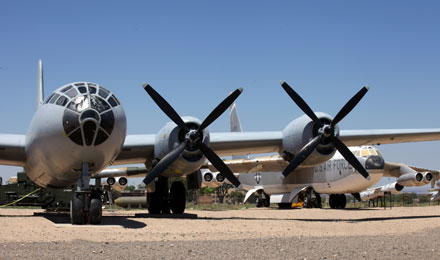
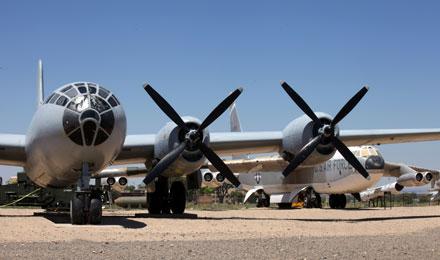
Heritage Park is a five-acre outdoor exhibit that displays the museum’s aircraft collection, the largest aircraft collection for public viewing in New Mexico. As you explore this popular attraction you will see rockets, missile systems, the biggest cannon built by the U.S, railroad equipment and part of a submarine.
Pioneers of the Atom
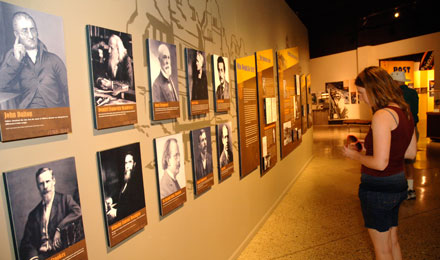
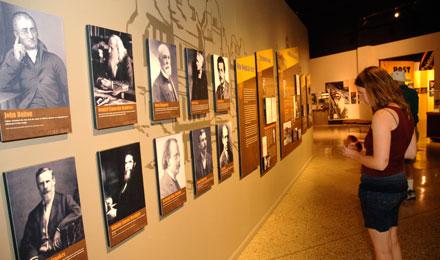
Step back in time and meet the individuals who influenced the nuclear world. The Pioneers of the Atom exhibit concentrates on the individuals who solved the puzzle of the atomic structure as well as the pioneers in nuclear physics, medicine and quantum mechanics. Learn about Albert Einstein and Madame Marie Curie. Other pioneers of the atom include Enrico Fermi, Ernest Rutherford, Max Planck, Niels Bohr and Wilhelm Roentgen.
Decision to Drop
Uncover the problems in Europe and in Japan that lead the United States into World War II following Pearl Harbor. Decision to Drop will take you on a journey through the Manhattan Project, Trinity and its legacy and finally into the Cold War.
Hiroshima and Nagasaki
The atomic bomb may have brought the war to a close, but the after effects of the bomb were felt by Hiroshima and Nagasaki for years to follow. As you explore this exhibit view the cities before, during and after the bombs were dropped. Highlighted in the exhibit is a unique photographic collection of still and motion picture images that were taken after the bombing. Additionally, you will see photographs that portray the people affected.
Cold War
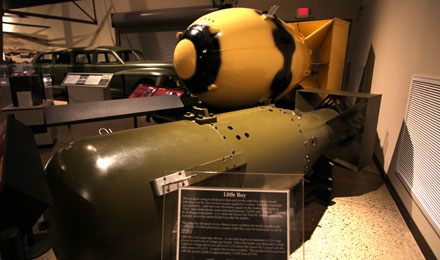
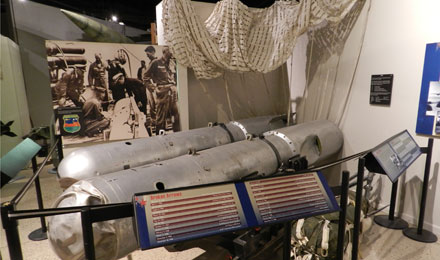
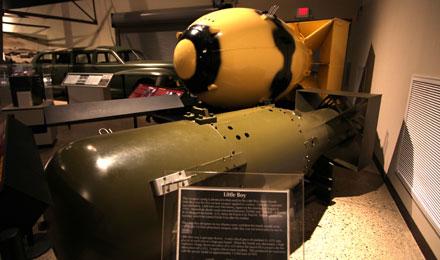
The Cold War brought about the nuclear arms race between the USSR and the United States. Cold War chronicles the Cold War era through tracking the expansion of the nuclear weapon complex, the arms control measures used and world events that lead to the collapse of the Soviet Union. Artifacts displayed include bombs, broken arrows and missiles that were contained in stockpiles of the United States, England and USSR.
Radiation 101
Learn what radiation is, where it comes from, how much is in our world and the effects it has on our universe in Radiation 101. Featured artifacts include materials used in manufacturing, medicine, mining, archaeology and food processing.
Nuclear Medicine
Discover the history of nuclear medicine and how it contributed to the advancement of medical technology. In Nuclear Medicine, you will learn how modern-day advances in nuclear medicine are saving millions of lives every year.
Atomic Culture/ Pop Culture
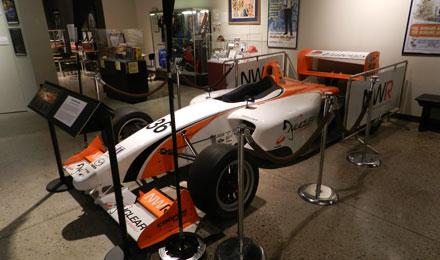
See how atomic discovery has shaped our culture including the music we listen to and the movies and television we watch. Highlighted in the Atomic Culture/Pop Culture exhibit is a captivating collection of nostalgic and historic materials that have helped form American’s ideas surrounding atomic power.
Little Albert’s Lab
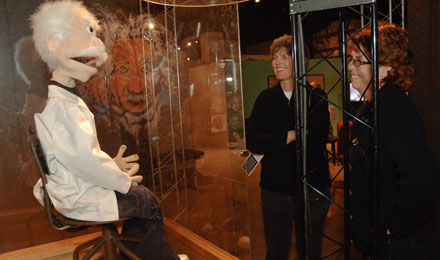
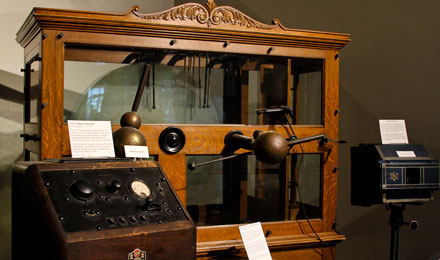
Grasp the concepts of physics, the basis of all sciences, in Little Albert’s Lab. Showcased in the exhibit is a robotic puppet of Albert Einstein that answers questions in a way that makes science fun and understandable. Additional components of the exhibit include a Hot Light Display, Snake Pendulum, Compression Wave, Standing Wave, Chaotic Pendulum and several Discovery Boxes.
Energy Encounter
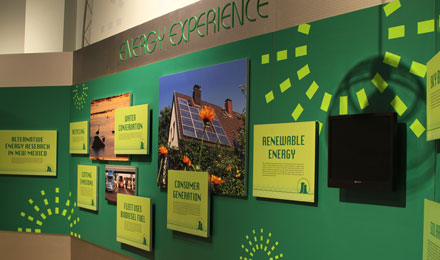
Learn about the world’s dependence on all energy forms and how nuclear power can help fulfil those needs. In Energy Encounter, explore the history of nuclear reactor design, future reactor plans as well as world energy issues that could impact nuclear power generation through interactive exhibits.
Nuclear Waste Transportation
The media frequently talks about nuclear waste and its related issues. In Nuclear Waste Transportation, learn how waste is characterized, treated, handled, transported and stored. Additionally, this exhibit explores options for recycling and reprocessing.
The Uranium Cycle
Learn all about Uranium. The Uranium Cycle exhibit will take you on a journey from the mines, to the reactor, to waste management and examines the processes used to mill and process the material and the environmental and waste management action taken after its use.
Nano
Enjoy hands-on activities that explore the impact nanotechnology has on our world. Nano features Small, Smaller, Nano, a display that lets you explore the progressively smaller magnetic materials of magnetite sand, iron power and ferrofluid. Additionally you will have the chance to build a carbon nanotube.
Shopping at the Museum Store
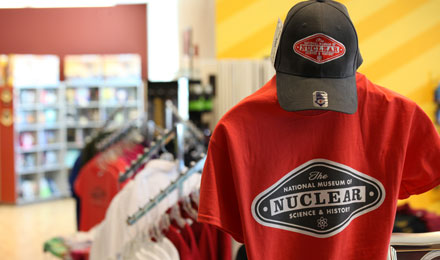
Stop by the Museum Store boasting a distinctive mix of products that are a fun and educational extension of the museum’s mission. Signature products, exhibit inspired merchandise, jewelry, gifts, DVDs and scholarly and popular publications for all ages and tastes are available to purchase.
Travel Tip
- Don’t forget your camera. You are free to take photos throughout the National Museum of Nuclear Science & History.
National Museum of Nuclear Science and History, Albuquerque, NM
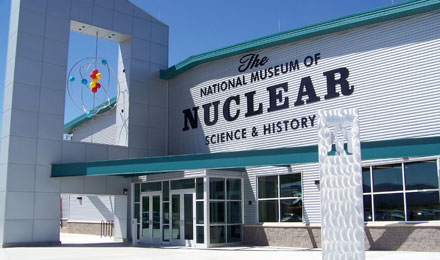
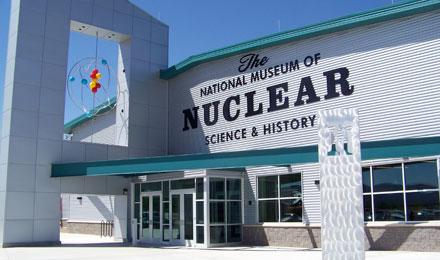
Discover the story of the Atomic Age from the early research of nuclear development through to today’s uses of nuclear technology at the National Museum of Nuclear Science & History as part of this group motorcoach vacation package. Located in Albuquerque, New Mexico’s Sandia Science and Technology Park, the National Museum of Nuclear Science & History was the result of a six-year effort to establish a museum that would tell the story of the base and the development of nuclear weapons. The National Museum of Nuclear Science & History opened the doors to its current location in April of 2009 as the only Smithsonian Affiliate Museum in Albuquerque, New Mexico. Today the Albuquerque museum serves as America’s resource for nuclear history and science through exhibits and educational programs that explore the diversity of individuals and events that shape the historical and technical context of the nuclear age.