Fort Stanwix National Monument in Rome, NY
Detailed Description
Fort Stanwix National Monument provides a variety of ways for visitors to explore and learn about its pivotal history:
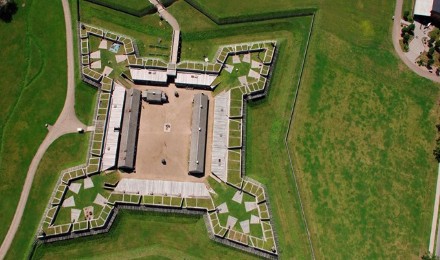
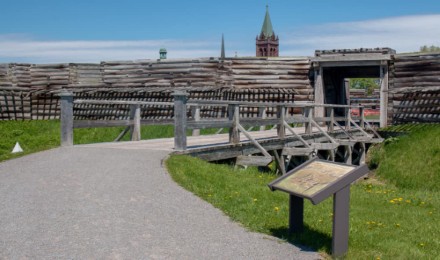
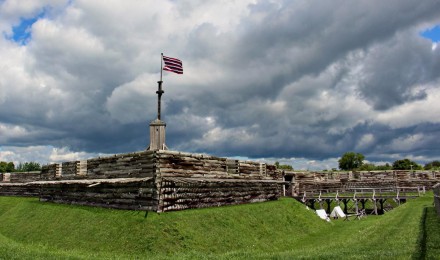
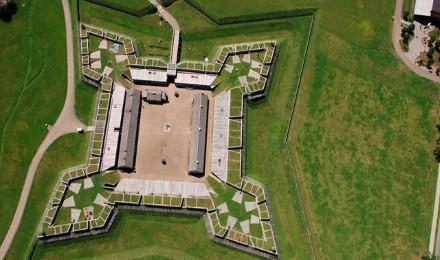
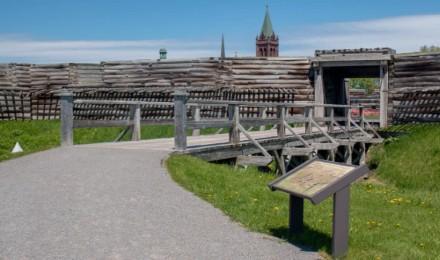
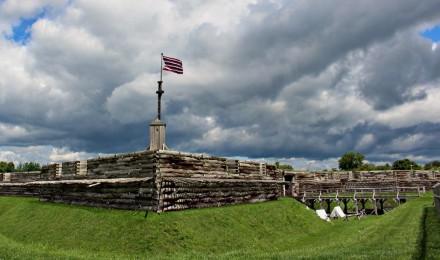
The Reconstructed Fort: Step inside the impressive wooden walls of the fort, a faithful reconstruction of the original structure. Your group tour will gain a vivid sense of the living and working conditions for soldiers and civilians during the 18th century.
Barracks and Buildings: Explore the various barracks, officers' quarters, and other functional buildings within the fort. These spaces are often furnished with period-appropriate items, helping to illustrate daily life.
Exhibits and Displays: The park's visitor center and exhibits within the fort offer detailed information about the fort's history, its strategic importance, and the key events that occurred here, particularly the Siege of Fort Stanwix in 1777. Learn about the diverse groups involved, including Continental soldiers, local militia, Native Americans, and British forces.
Living History Demonstrations: During the warmer months, the park often features living history demonstrations. These programs bring the past to life, with costumed interpreters demonstrating 18th-century military drills, musket firings, cooking, and crafts. This interactive element is particularly engaging for senior travel groups, offering a dynamic understanding of the fort's operational history.
The Flag of Fort Stanwix: Discover the story of the stars and stripes flag that was reportedly flown over Fort Stanwix during the 1777 siege, making it one of the earliest instances of the American flag being flown in battle.
Park Grounds: Explore the surrounding grounds of the monument, which offer a peaceful setting for reflection and provide context for the fort's location on the historic Oneida Carrying Place, a crucial portage between waterways.
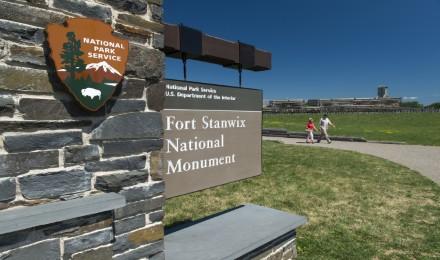
The Fort Stanwix National Monument is managed by the National Park Service, ensuring a well-preserved and informative experience for all group travel participants.
Accessibility and Shopping Opportunities
Fort Stanwix National Monument is committed to providing an accessible experience for all visitors.
-
Accessibility:
-
Visitor Center: The park's visitor center is fully accessible, offering accessible parking, restrooms, and an orientation film with captioning.
-
Fort Access: The main entrance to the reconstructed fort is generally accessible, with ramps where necessary to navigate changes in elevation. Many of the interior pathways within the fort are wide and relatively flat, allowing for comfortable movement for those using wheelchairs or other mobility aids.
-
Historic Nature: While efforts are made to ensure accessibility, the historic nature of the reconstructed fort means some surfaces may be uneven (e.g., gravel or packed earth), and some interior spaces may have limited maneuverability. It is advisable for group travel organizers to contact the park directly in advance to discuss specific accessibility needs for members of their senior travel group and to confirm the most current accessibility information.
-
-
Shopping Opportunities:
-
Park Store: The Fort Stanwix National Monument features a park store, typically located within or adjacent to the visitor center. Here, your group tour members can find a variety of souvenirs, books on the Revolutionary War and local history, educational materials, and unique gifts. Purchasing items from the park store helps support the ongoing preservation and educational programs of the National Park Service at Fort Stanwix.
-
Summary
Fort Stanwix National Monument, located in Rome, New York, is a meticulously reconstructed 18th-century fort that played a crucial role in the American Revolutionary War. This significant historical site offers group tours and senior travel groups a compelling journey back in time, showcasing the challenges and triumphs of the Continental Army. A visit to Fort Stanwix provides an immersive and educational experience, highlighting the strategic importance of this frontier outpost and its impact on the course of American independence.